









In Hong Kong, the tax identification number (TIN) is a vital identifier for all taxpayers interacting with the Inland Revenue Department. This unique code is indispensable for both individual tax filing and corporate compliance. Beyond local tax administration, the TIN also plays a significant role in international financial transactions. The “Tax Easy” platform provides a streamlined and efficient way to apply for and check your TIN.
What is the Hong Kong tax number?
A tax number is an identification code assigned by the Hong Kong Inland Revenue Department to track a taxpayer’s records. It is generated when the “eTax” account is activated and serves as a permanent identifier.
Under international tax compliance frameworks such as AEOI, tax identification numbers (TINs) serve to verify Hong Kong tax resident status and are widely used for bank account opening and cross-border transactions.
Where is the tax ID located?
Personal Tax Identification Number
This is your Hong Kong ID number (including letters or numbers, but excluding parentheses).
Enterprise Tax ID
The first 8 digits of the business registration certificate number shall prevail.
If you’re unable to locate your tax identification number (TIN) due to the absence of your certificate, you can use the’ Forgot TIN ‘feature on the’ Tax Easy’ platform. Simply enter your registered email or phone number, and the system will send your TIN to the provided contact details. If no contact information is registered, you must submit Form IR6104 to the tax authority, which typically takes 2 to 5 working days to process.
What is the purpose of the tax ID?
Taxpayers can now enjoy the convenience of pre-filling tax documents and automatic extension of filing deadlines through “Tax Easy”, significantly improving efficiency.
The tax identification number (TIN) is the cornerstone of the “Tax Easy” service, enabling online tax filing, tax balance inquiries, and application for filing extensions. As per the Inland Revenue Department’s guidelines, timely tax filing can prevent fines of up to HK$5,000. Furthermore, the TIN serves as a self-certification tool in international financial transactions, ensuring compliance with FATCA and AEOI requirements. Businesses can also utilize the platform to manage commercial registration and tax compliance.
How to apply for a Hong Kong tax number?
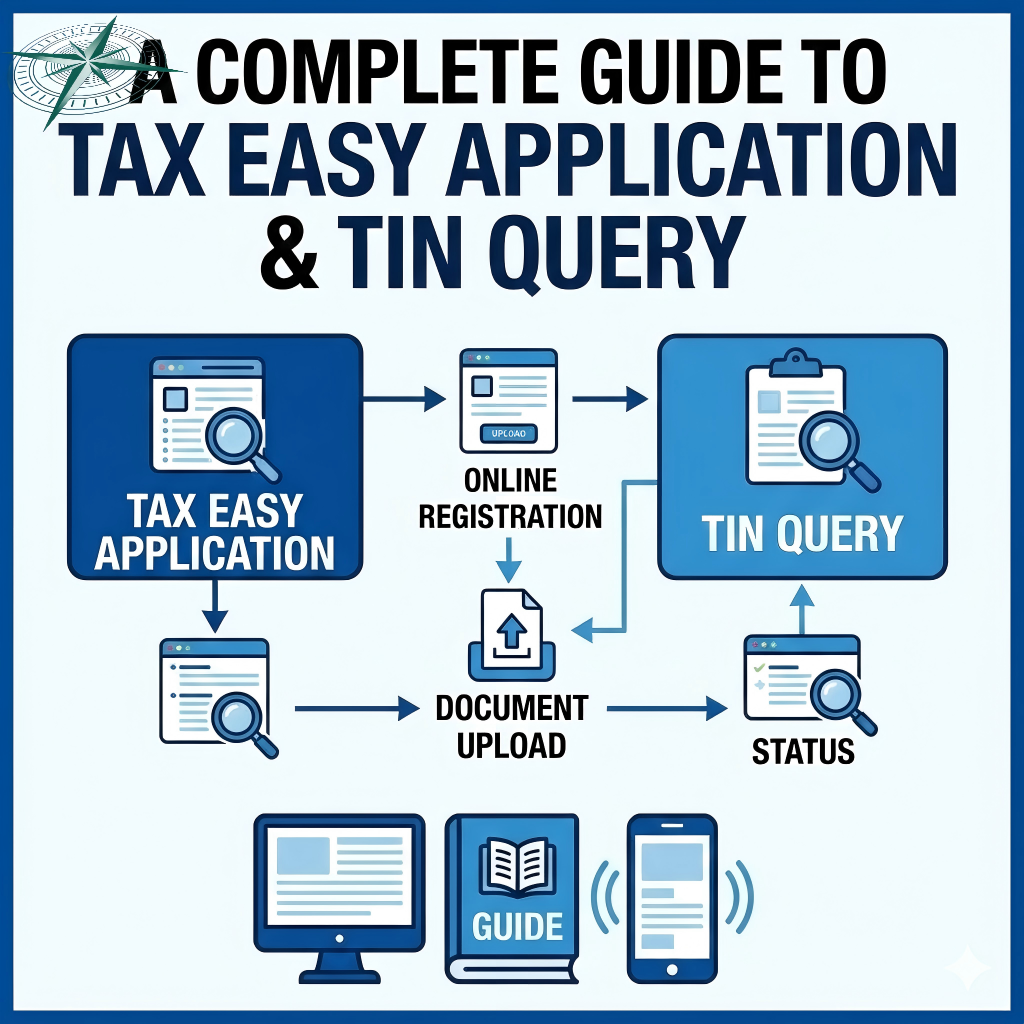
Applying for a tax identification number is a simple and free process through the Tax Easy platform operated by the Taxation Bureau.
- Prepare the following documents: your Hong Kong ID number (Personal Tax Identification Number) or business registration number (Business Tax Identification Number), and your most recent tax return or assessment notice.
- Register an account: Visit the “Tax Easy” website, click “Register”, and enter your tax number and personal/business information to ensure it matches the records with the tax authority.
- Activation code: After submitting your application, the tax authority will send you an activation code notification to your registered address within 2 business days.
- Set a password: Use the activation password to log in to “Tax Easy” and set a 8-12 character password (must include letters and numbers).
If you register with Smart Convenience, make sure your digital identity matches the name on your tax registration. Otherwise, your account may be suspended.
How to protect tax ID security?
Tax identification numbers contain sensitive information and must be protected against disclosure. The Tax Bureau recommends regularly updating the “Tax Easy” password and using complex combinations. Users who log in through “Zhi Bianfan” can enable digital signatures to further enhance account security.
If you suspect that your account has been stolen, contact the Inland Revenue Department immediately by email (taxinfo@ird.gov.hk) or submit form IR6104 to reset your password. Stay aware of your network security and avoid operating on public networks.
Summary
The Hong Kong Tax Identification Number (HKTIN) is central to tax administration. The eTax platform enables users to easily check, apply for, and manage tax-related information. During the annual online tax filing period, eTax users can extend their filing deadline by one month.